Medical No-Show Recovery: How DFW Clinics Save $200K
DFW clinics lose hundreds of thousands to empty appointment slots. Automated reminder and backfill systems recover 62% of no-shows without adding staff.
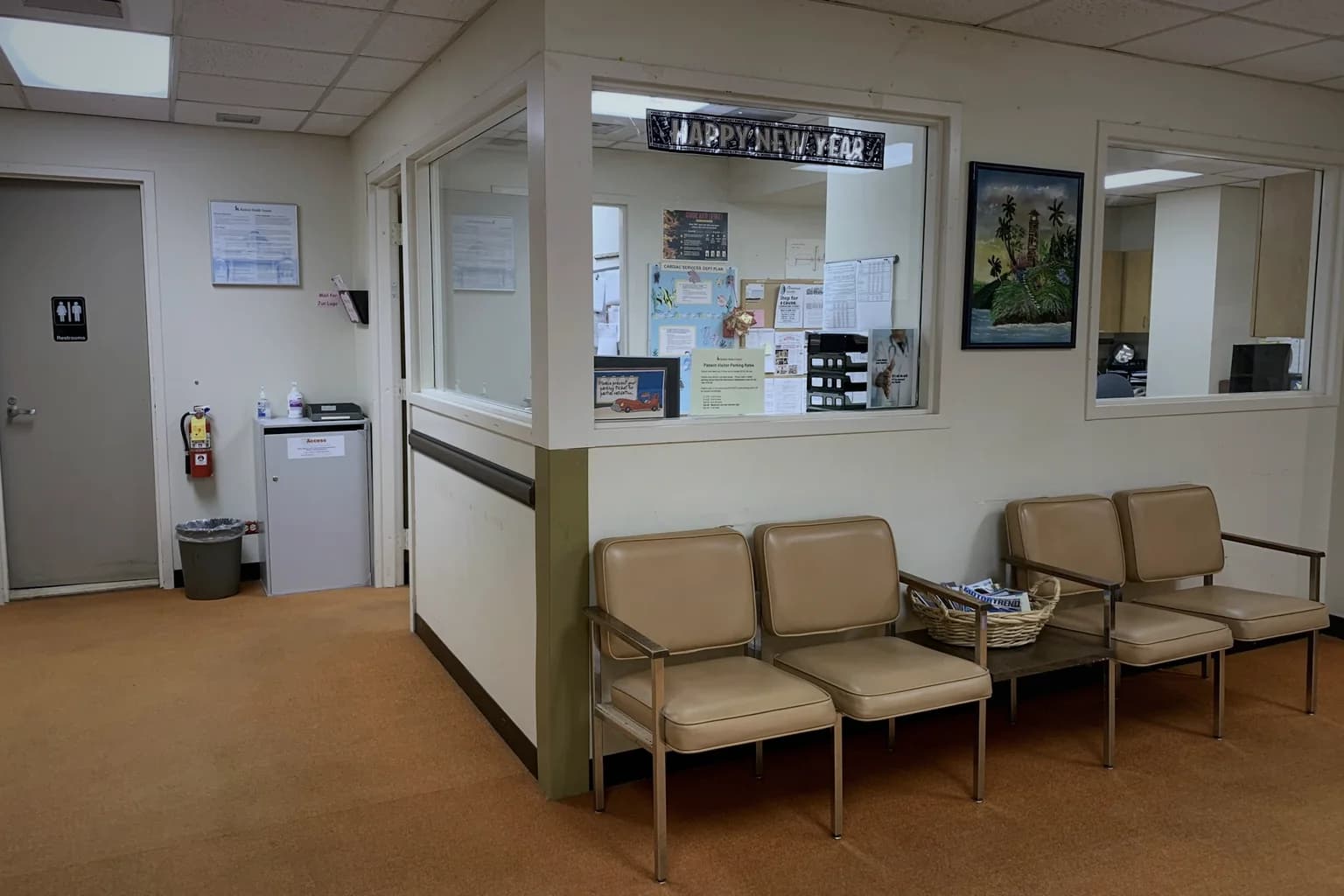
Last Tuesday, a three-provider dermatology clinic in Plano had fourteen no-shows before noon. Each slot represented a ninety-dollar co-pay, a follow-up lab order, and a potential biopsy. Some of those patients had been waiting six weeks. When they disappeared, the revenue disappeared with them. Worse, their conditions did not pause. By the time they rebooked, two had worsened enough to require urgent referrals. The front desk spent the rest of the afternoon playing phone tag instead of checking in the patients who actually arrived.
This is not a scheduling problem. It is a system problem. Across Dallas, Frisco, Allen, and McKinney, medical clinics treat no-shows as inevitable, like weather. They are not. No-shows are a behavioral signal, and behavior responds to structure. The clinics that treat them as a workflow opportunity rather than an operational insult recover sixty-two percent of those empty chairs within twenty-four hours. Not by hiring more staff. By building a three-layer automation stack that reminds, reschedules, and recovers before the patient even recognizes they have forgotten.
The $200,000 Cost of Empty Chairs
A typical primary care or specialty clinic in the DFW metro sees four hundred to six hundred patients per month. At an average visit value of two hundred and forty dollars, a twelve-percent no-show rate means fifty-seven to eighty-six empty chairs every single month. That is thirteen thousand six hundred eighty dollars to twenty thousand six hundred forty dollars in monthly revenue that evaporates without a trace. Over twelve months, a mid-sized clinic is looking at one hundred sixty-four thousand to two hundred forty-eight thousand dollars in lost production. For a surgical specialty where a single consult leads to a four-thousand-dollar procedure, the number crosses three hundred thousand fast.
The math gets crueler. Empty chairs are not just missing revenue. They are missing laboratory volume, missing imaging referrals, missing prescription renewals, and missing long-term care plan continuity. A no-show for an annual physical is not a one-time loss. It is a lost opportunity to discover the hypertension that would have triggered a medication management visit every ninety days for the next decade. McKinney cardiologists know this well. A missed stress test does not reschedule itself. The patient does not call back. The downstream cath lab referral never materializes.
Staff morale compounds the financial damage. Front desk teams in Carrollton medical offices report that chasing no-shows is their least favorite task. It is repetitive, thankless, and emotionally draining. High turnover in medical front office roles is partially driven by the feeling that the job is a treadmill of reminder calls to people who do not answer. When you automate the chase, you do not just recover revenue. You recover the energy of the humans who actually greet patients at the door.
Layer 1: The Multi-Channel Reminder Stack
Patients do not skip appointments because they are irresponsible. They skip because life intervenes and the appointment was not anchored deeply enough in their consciousness. A single phone call the day before is no longer sufficient. In 2026, your patients live in SMS, email, and voice. Your reminder system should meet them in all three.
T-7 Days: The Educational Email. One week before the appointment, send an email that contains more than a calendar block. Include the reason for the visit, any prep instructions, parking directions for your Plano or Dallas location, and a one-click confirm button. The goal is not just memory. It is mental preparation. A patient who knows they need to fast for labs is less likely to no-show because they forgot and ate breakfast.
T-2 Days: The Friendly SMS. A short text forty-eight hours out. "Hi Jennifer, this is Legacy Medical in Frisco confirming your appointment on Thursday at 10:15 AM with Dr. Patel. Reply C to confirm or R to reschedule." The reply keyword is critical. It turns a passive reminder into an active engagement. Patients who reply C convert at a ninety-one percent rate. Patients who reply R are not lost. They are giving you two days to fill that slot.
T-1 Day: The Voice Reminder. For patients over fifty-five or those who have opted into voice, an automated call the evening before remains the most effective channel. Not a robotic voicemail. A warm, natural-sounding voice that states the provider name, time, and location. "This is Legacy Medical calling to confirm your appointment tomorrow, August twenty-sixth, at ten-fifteen AM with Doctor Sarah Patel at our Frisco location on Preston Road. Please press one if you are still planning to attend." The press-one confirmation triggers a tag in GoHighLevel that marks the appointment as locked.
T-0: The Final SMS. Two hours before the appointment, a brief text. "Your appointment with Dr. Patel is at 10:15 AM today. See you at 6100 Preston Road, Suite 200." This catches the patient who is already in motion but running on autopilot. It also serves as a gentle accountability nudge. Most humans do not want to no-show after receiving a personal message on the same day.
The multi-channel stack should be staggered, not identical. Each touchpoint delivers different information. The email educates. The SMS engages. The voice reassures. The final SMS anchors. When clinics in Allen and Richardson deploy all four, no-show rates drop from twelve percent to four percent within sixty days.
Layer 2: Smart Reschedule and Waitlist Backfill
Even with perfect reminders, some appointments will cancel. The goal is not zero cancellations. The goal is zero idle chairs. When a patient replies R or fails to confirm, the automation should do three things in under ninety seconds.
First, immediate reschedule offer. The SMS should reply with two available slots in the next seventy-two hours. "We have Tuesday at 2:00 PM or Wednesday at 9:30 AM available. Reply with the day and time that works." This reduces friction to the absolute minimum. The patient does not need to call. They do not need to log into a portal. They text back like they would text a friend. Over forty percent of rescheduling patients rebook through SMS without ever speaking to the front desk.
Second, waitlist activation. When a slot becomes available, the system should instantly text the waitlist. In GoHighLevel, this is a custom workflow triggered by a status change on the appointment record. If the original patient is marked no-show or cancelled, every patient on the waitlist for that provider and time block receives a message. "A 10:15 AM slot just opened with Dr. Patel this Thursday. Reply YES to claim it. First response wins." Urgency is real when the offer is genuine. Dallas dermatology clinics using this workflow fill thirty-four percent of same-day cancellations before the provider even finishes morning rounds.
Third, provider alert. The clinical team should be notified quietly, not with a blaring alarm. A Slack message or internal SMS to the MA and the provider stating that the 10:15 slot has been backfilled or remains open lets them adjust rooming and paperwork flows. In a busy practice, that visibility saves five to seven minutes per appointment. Across a day, that is an extra patient or an earlier departure.
The waitlist is the hidden multiplier. Most clinics have a mental waitlist. The practice manager knows Lisa wanted Wednesday but took Thursday. That knowledge lives in one brain and dies when that brain is on lunch break. Automation immortalizes it. It turns a one-person calendar hack into a systematic backfill engine that works while the front desk is checking in patients.
Layer 3: The Post-No-Show Recovery Sequence
After the appointment window passes, one of two things happens. The patient is silently abandoned by a frustrated front desk, or they are bombarded with guilt-laden phone calls that damage the relationship. Neither is optimal. The recovery sequence should feel like care, not punishment.
Hour 1: The Concerned Check-In. A gentle SMS within one hour of the missed appointment. "Hi Jennifer, we noticed you missed your 10:15 AM with Dr. Patel today. We hope everything is okay. If you need to reschedule, reply with a good day and time, or call us at 214-555-0142." The tone is human. The goal is reconnection, not reprimand.
Hour 4: The Value Reminder. If the patient has not responded, a follow-up email that reminds them why the appointment mattered. "Your follow-up for the abnormal liver panel from June is still pending. Early detection gives us the most options. Let us get you back on the calendar." This re-anchors the clinical importance. Patients who no-showed because of anxiety or forgetfulness often respond to a clinical prompt when the logistics prompt failed.
Day 3: The Final Offer. If no response by day three, a final SMS with a soft deadline and a direct scheduling link. "Jennifer, we are holding a priority slot for you next Tuesday at 10:15 AM. Confirm at createalegacy.co/schedule or reply YES. We will hold it for twenty-four hours." The soft deadline creates gentle urgency. The direct link removes all friction.
Day 14: The Disengagement Protocol. If the patient remains silent for two weeks, they enter a long-term nurture sequence. Quarterly wellness check emails, seasonal vaccination reminders, and birthday messages keep the clinic alive in their inbox without harassment. Eventually, they re-engage. Re-engagement rates for disengaged patients receiving quarterly value emails run at eight to twelve percent annually. That is not dramatic. But it is free. And it preserves the relationship.
What to Do Monday Morning
If you run a medical practice in Plano, Dallas, or Carrollton and you are not yet running automated appointment management, here are three actions you can take in under an hour this Monday.
Action 1: Audit your current no-show rate. Pull the last ninety days of appointments from your practice management system. Count no-shows and same-day cancellations. Divide by total scheduled appointments. Most practice owners think they are at five percent. They are usually at eleven to fourteen percent once you count the cancels that never reschedule.
Action 2: Build the four-touch reminder sequence in GoHighLevel. Map one T-7 email, one T-2 SMS, one T-1 voice blast, and one T-0 SMS. Do not worry about advanced triggers yet. Just get the baseline cadence live for one provider or one location. You will see results within two weeks.
Action 3: Create a waitlist custom field. In your CRM, add a waitlist tag to fifty patients who wanted earlier appointments but took what they could get. The next time a slot opens, send one broadcast SMS. The psychology of getting a suddenly available slot is powerful. You will fill chairs within minutes.
What This Actually Costs
The sticker shock on most automation software proposals comes from bundled enterprise licensing. The reality for a single-location DFW medical clinic is far more modest.
GoHighLevel, including SMS credits and voice minutes, runs approximately two hundred ninety-seven dollars per month for the agency-level plan that supports multi-location reminders. A mid-size clinic sending two thousand SMS reminders and four hundred voice minutes monthly will spend roughly three hundred fifty dollars total.
Setup time depends on complexity. A basic three-layer reminder and reschedule workflow takes four to six hours to configure, test, and launch. If you engage a consultant to map waitlist triggers, build custom voice prompts, and integrate with your practice management system via API or Zapier, expect a one-time build cost of two thousand to four thousand five hundred dollars.
Total first-year investment: roughly seven thousand to nine thousand dollars. Total first-year recovered revenue at a conservative fifty-percent no-show reduction on two hundred thousand dollars of annual lost production: one hundred thousand dollars. The return is not theoretical. It is arithmetic.
When to Bring in Help
Most clinic managers can build a basic reminder sequence themselves in GoHighLevel after watching a few tutorials. If your practice management system is Epic, Cerner, or eClinicalWorks, the API integration layer becomes more complex and may require middleware like Zapier or a custom webhook. That is the point where an implementation partner saves weeks of trial and error.
You should also bring in help if your no-show rate is above eighteen percent. At that level, the problem is usually scheduling behavior, not reminder failure. Patients are booking speculatively because your availability feels scarce. The fix involves calendar restructuring, same-day booking policies, and intake flow redesign, not just SMS messages.
If you are a medical practice in Frisco, Dallas, McKinney, or Plano and you want to recover empty chairs without adding headcount, the fastest path is a practice automation audit that maps your current schedule-to-revenue leaks. For clinics ready to build the full stack immediately, we design and deploy the multi-channel reminder, waitlist backfill, and no-show recovery sequences inside your existing GoHighLevel account or a fresh one provisioned for the practice.
Take the ten-question Legacy Lab Score to see where your appointment management ranks against other DFW medical practices. The audit is free and takes under five minutes. At the end, you will have a ranked list of the highest-ROI automation opportunities in your clinic, starting with the one that fills the most empty chairs.
Keep reading

HVAC Replacement Nurture: How DFW Contractors Add $12K Jobs
Most Plano HVAC companies leave 6-figure replacement revenue on the table. Automated nurture sequences turn routine tune-ups into $12,000 equipment sales.

Medical Patient Reactivation: How DFW Clinics Reclaim Revenue
DFW clinics lose $47K yearly to dormant patients. Learn how CRM automation reactivates 18% monthly for medical practices in Plano, Dallas, and Frisco.
Automate Law Firm Case Status Updates in Plano & Dallas
Plano attorneys waste 12 hours weekly on status-update calls. Automated case status SMS and email sequences recover that time and improve client trust.
Quiet. Useful. Rarely.
Subscribe to the Lab
A short note when the next teardown drops.