HVAC Replacement Nurture: How DFW Contractors Add $12K Jobs
Most Plano HVAC companies leave 6-figure replacement revenue on the table. Automated nurture sequences turn routine tune-ups into $12,000 equipment sales.
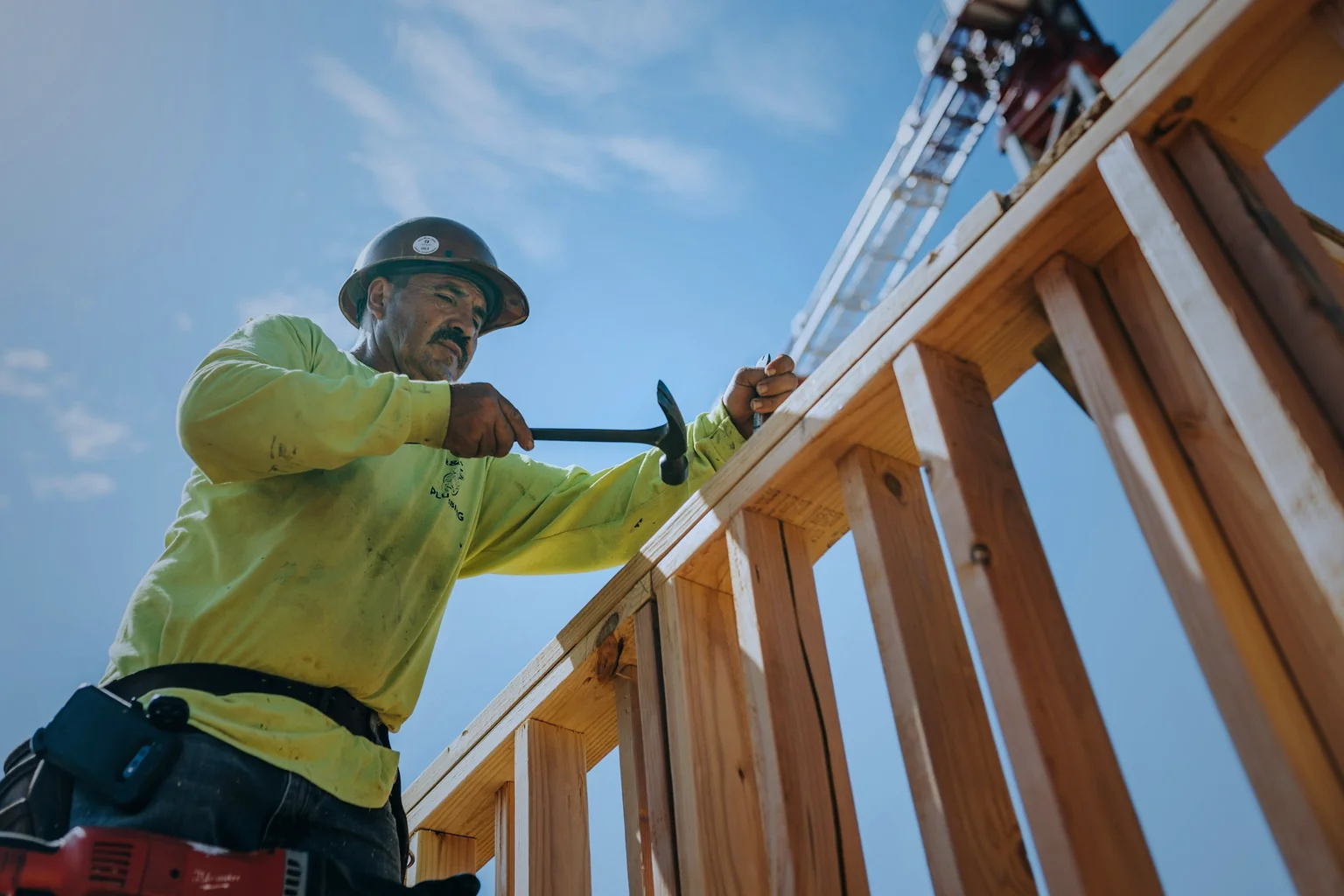
Last August, a technician at a Frisco HVAC company diagnosed a failed compressor on a fourteen-year-old system. The homeowner nodded, took the $11,400 quote, and said they would think about it. That ticket sat in the CRM for seventy-three days. Nobody called. Nobody texted. Nobody checked whether the financing link had even been opened.
In October, a competitor's postcard arrived with a zero-down financing offer. The homeowner booked with them. The original contractor did not just lose one sale. They lost the maintenance agreement, the referral, and the 2027 filter subscription. Total lifetime value: $14,200. Lost to silence.
This happens every day across Dallas, Plano, Allen, and McKinney. Technicians generate replacement opportunities during tune-ups and emergency calls, but the office assumes the quote is enough. It is not. Equipment replacement is a high-consideration, high-dollar sale. Without a structured nurture sequence, most quotes expire in the prospect's mental folder labeled "later." Later rarely converts.
The $300,000 Cost of the Broken Follow-Up
The average DFW HVAC contractor runs four to six tune-up crews through the summer. Each crew identifies two to three replacement candidates per week during peak season. That is roughly forty qualified opportunities per month. Industry data from ServiceTitan and trade associations shows that only twelve percent of one-call replacement quotes close without follow-up. With a multi-touch nurture sequence, that number climbs to thirty-five percent.
The math for a single midsize contractor is brutal. Twenty-four replacement quotes per month sit dormant. At a $12,000 average ticket and a twenty-three-point lift from nurture, that is $66,240 in recovered revenue every month. Over a five-month cooling season, that is $331,000 in replacement sales that vanish because nobody built the follow-up.
The cost compounds. Replacement customers carry higher lifetime value. They sign maintenance agreements at a seventy-eight-percent rate versus forty-one percent for repair-only customers. They leave five-star reviews twice as often. They refer neighbors within eighteen months at a rate of nineteen percent. When you lose a replacement prospect to silence, you are not losing one invoice. You are losing a revenue anchor for the next five years.
The worst part? The fix is not more people. It is a workflow. A Plano contractor we worked with in 2025 had three office staff handling dispatch, billing, and the occasional quote follow-up. They were drowning. After installing an automated nurture sequence inside GoHighLevel, the same three people managed a twenty-two-percent increase in booked calls without working a single extra hour. The system ran the follow-up. The humans ran the business.
Layer 1: Diagnosis-to-Opportunity Trigger
Every replacement sale starts with a technician note. The problem is that most of those notes live on a clipboard, a mobile app, or a text to the office manager. They never become a tagged, scored opportunity in the CRM. The first layer of the nurture system is the trigger.
When a technician marks a system as twelve years or older, or notes a failed compressor, cracked heat exchanger, or refrigerant leak beyond economical repair, that job record in GoHighLevel should auto-tag the contact as "Replacement Candidate." This tag should fire within sixty seconds of the field update. No human reads the ticket first. No office manager copies data into a spreadsheet.
The tag should carry metadata. System age, estimated remaining life, recommended SEER rating, and whether financing was discussed on-site. This metadata becomes the fuel for every subsequent touch. It lets the automation speak with specificity instead of generic HVAC language.
One Carrollton contractor added a single drop-down field to their mobile workflow: "Replacement Recommended?" with options for "Immediate," "Within 2 Years," and "Not Yet." When a tech selects "Immediate," the CRM not only tags the contact but also assigns a temperature score of ninety and drops the record into a fast-track sequence. When "Within 2 Years" is selected, the contact enters a long-term nurture campaign that sends seasonal efficiency tips and utility-bill comparisons every six weeks. The system now sorts its own pipeline.
The trigger layer also needs a safety valve. If a technician makes a mistake and the homeowner is only in for a routine filter change, the tag should be removable by a human. But the default should be automatic. Most offices err on the side of not tagging enough opportunities. An automated trigger corrects that bias.
Layer 2: The 7-Touch Replacement Nurture
A single quote email is not a nurture sequence. It is a notification. Nurture means education, urgency, and multiple channels over time. Our 7-Touch Replacement Nurture is designed for a fourteen-day window because most equipment quotes lose relevance after that. Here is the cadence we install for DFW contractors.
Touch 1: Same-day quote summary. Within two hours of the technician leaving the home, the homeowner receives an SMS with a link to the full quote, financing calculator, and SEER comparison. The message references the technician by name and the specific equipment discussed. "Hi Maria, James from [Company] here. Your quote for the sixteen-SEER Lennox system is ready. Financing is available at $187 per month. Here is your breakdown."
Touch 2: Educational follow-up, day two. An email explaining the cost of waiting. Not a sales pitch. A three-minute read on how R-410A phaseout pricing, utility rate increases, and summer peak-load strain affect total cost of ownership. Include a link to a Dallas utility rebate page. Education builds authority. Authority builds trust.
Touch 3: Financing nudge, day four. A short SMS: "Maria, your pre-qualification link is still active. The $0-down option locks in at 6.9 percent through August. Takes ninety seconds." Attach the single-page application. Make it mobile-first.
Touch 4: Social proof, day six. An email with a one-paragraph case study from a homeowner in the same ZIP code. " Last month, a homeowner in Frisco replaced their nineteen-year-old Trane. Their July bill dropped from $412 to $198. Here is the before and after." Specific numbers from specific neighborhoods beat generic testimonials.
Touch 5: Urgency trigger, day nine. An SMS tied to real capacity constraints. "Maria, our install calendar for August is at eighty-two percent capacity. Jobs booked this week secure the labor rate and current equipment pricing. Here is the scheduler." This is not fake urgency. In a Dallas July, install calendars fill. When the urgency is real, it converts.
Touch 6: Human Call Task, day eleven. If the contact has not scheduled by day eleven, create a call task for the comfort advisor or sales manager. But arm them with context. The CRM should show every open, every click, and every reply so the call is warm, not cold. "I saw you opened the financing link. Did you have questions about the monthly payment?"
Touch 7: Final nurture pivot, day fourteen. If no appointment is booked, move the contact from the replacement sequence into the long-term nurture campaign. Send an email offering a complimentary second opinion or a fall-system-efficiency audit. Keep the door open without pestering.
One McKinney contractor using this exact 7-touch sequence saw replacement quote-to-close rates climb from eleven percent to thirty-four percent in a single cooling season. Their average ticket also rose by fourteen percent because educated homeowners self-selected higher SEER tiers.
Layer 3: Appointment and Financing Automation
The final layer removes friction at the moment of yes. When a homeowner decides to move forward, there should be no phone tag, no paper forms, and no delay between decision and calendar block.
The nurture SMS and emails should always contain a direct booking link. Not a phone number. Not a "reply to schedule." A calendar link connected to the install team's actual capacity, with time slots restricted by crew availability and drive time. If the dispatcher books manually, the calendar updates in real time. If the homeowner self-books, the CRM tags the appointment as "Replacement Confirmed" and triggers a series of prep steps automatically: permit check, equipment order confirmation, and a pre-install welcome email with the technician photo and arrival window.
Financing should be pre-wired. The CRM should drop a single-screen financing application into SMS and email touchpoints. When the homeowner is approved, the CRM should update a custom field with approved amount and tier. The comfort advisor sees this before the confirmation call and can tailor the conversation accordingly. When a homeowner is approved for $15,000 but quoted an $11,400 system, the advisor can confidently upsell a two-stage variable unit or an extended warranty without feeling pushy.
A Dallas contractor embedded their financing pre-qual link directly into the GoHighLevel conversation thread. When a homeowner clicked the link and completed the soft-pull, an automation fired an internal Slack message to the office: " Maria in 75201 pre-qualified for $18K. Replacement sequence day five. Recommend two-stage upgrade." The office manager called within the hour. Close rate on pre-qualified leads hit sixty-one percent.
What to Do Monday Morning
You do not need a complete tech overhaul to start. You need three decisions and thirty minutes of configuration.
Action 1: Add one trigger field to your technician workflow. Create a drop-down or checkbox in your field app that marks a job as "Replacement Candidate." Connect that field to a GoHighLevel workflow that tags the contact and starts the 7-touch sequence within sixty seconds. If you use ServiceTitan, Housecall Pro, or Jobber, most have webhook or Zapier triggers that can push the tag into GHL automatically.
Action 2: Write one educational email. Do not write all seven touches on day one. Write the day-two email: the cost-of-waiting piece. Make it specific to your city. Reference Dallas utility rate increases, Plano permitting timelines, or the 2025 SEER regulations. One strong email beats seven generic ones. You can expand the sequence over the following two weeks.
Action 3: Connect your financing link to the CRM. Whether you use GreenSky, Service Finance, or a local credit union portal, get the application URL and embed it as a custom value in GoHighLevel. Drop it into the day-four SMS. One link removes the biggest objection in replacement sales: upfront cost.
These three actions can be live by noon on Monday. They will not be perfect. They will be better than silence.
What This Actually Costs
A typical GoHighLevel setup for a single-location HVAC contractor runs $297 per month for the SaaS platform. The replacement nurture automation itself requires no additional software. SMS costs inside GHL are approximately one cent per message. If you run forty replacement candidates through the 7-touch sequence each month, that is two hundred and eighty messages, or $2.80 in hard cost.
Add email, which is effectively free at this volume, and the total monthly cost to run the nurture sequence is under six dollars. The equipment order padding on one additional replacement sale covers the automation for the next twenty-three years.
Time investment is front-loaded. Writing the seven emails and configuring the triggers takes six to ten hours for a first draft. Testing and refinement take another four. That is roughly one solid business day. The return is $300,000 or more in annual replacement revenue that your competitors are still leaving on the table.
If you already employ a comfort advisor or sales manager, you are paying for the labor. The automation does not replace them. It makes every hour they work more valuable by pre-warming leads and surfacing intent signals before the human conversation begins.
When to Bring in Help
You can build this yourself. If you are comfortable with GoHighLevel workflows, custom fields, and basic SMS copywriting, the 7-touch sequence is a weekend project. Many HVAC operators prefer to handle it internally because they know their customer language better than any outsider.
Bring in help when you are one of the following:
You have a CRM but no one has logged in for three weeks. Your technician notes live in seven different apps and none of them talk to each other. You have tried automation before and abandoned it because the sequences felt robotic and received unsubscribe spikes. Your install calendar is full, your phone rings nonstop, and you know you are missing replacement opportunities but cannot pinpoint where.
We design, install, and tune these sequences for HVAC contractors in Plano, Dallas, Frisco, Allen, and McKinney. The process starts with a thirty-minute workflow audit where we map your current technician-to-office-to-customer path and identify the exact moment replacement prospects go quiet. You can book that audit at our services page or run a quick self-diagnosis through the Legacy Lab Score tool.
If you are running a heating and cooling business in North Texas and your replacement revenue is flat while your call volume rises, the fix is almost never more trucks. It is the conversation that happens after the truck leaves.
Keep reading
HVAC Pre-Season Automation: Book 200+ DFW Tune-Ups Fast
DFW HVAC contractors lose $300K in summer revenue to scheduling gaps. Learn how automated SMS and email campaigns book 200+ tune-ups before the heat hits.
Medical No-Show Recovery: How DFW Clinics Save $200K
DFW clinics lose hundreds of thousands to empty appointment slots. Automated reminder and backfill systems recover 62% of no-shows without adding staff.

Automate Law Firm Case Status Updates in Plano & Dallas
Plano attorneys waste 12 hours weekly on status-update calls. Automated case status SMS and email sequences recover that time and improve client trust.
Quiet. Useful. Rarely.
Subscribe to the Lab
A short note when the next teardown drops.