
Medical Referral Automation: How DFW Clinics Close the Loop
DFW medical clinics lose 40% of specialist referrals to follow-up gaps. Automated referral tracking recovers revenue and closes care loops in under 48 hours.
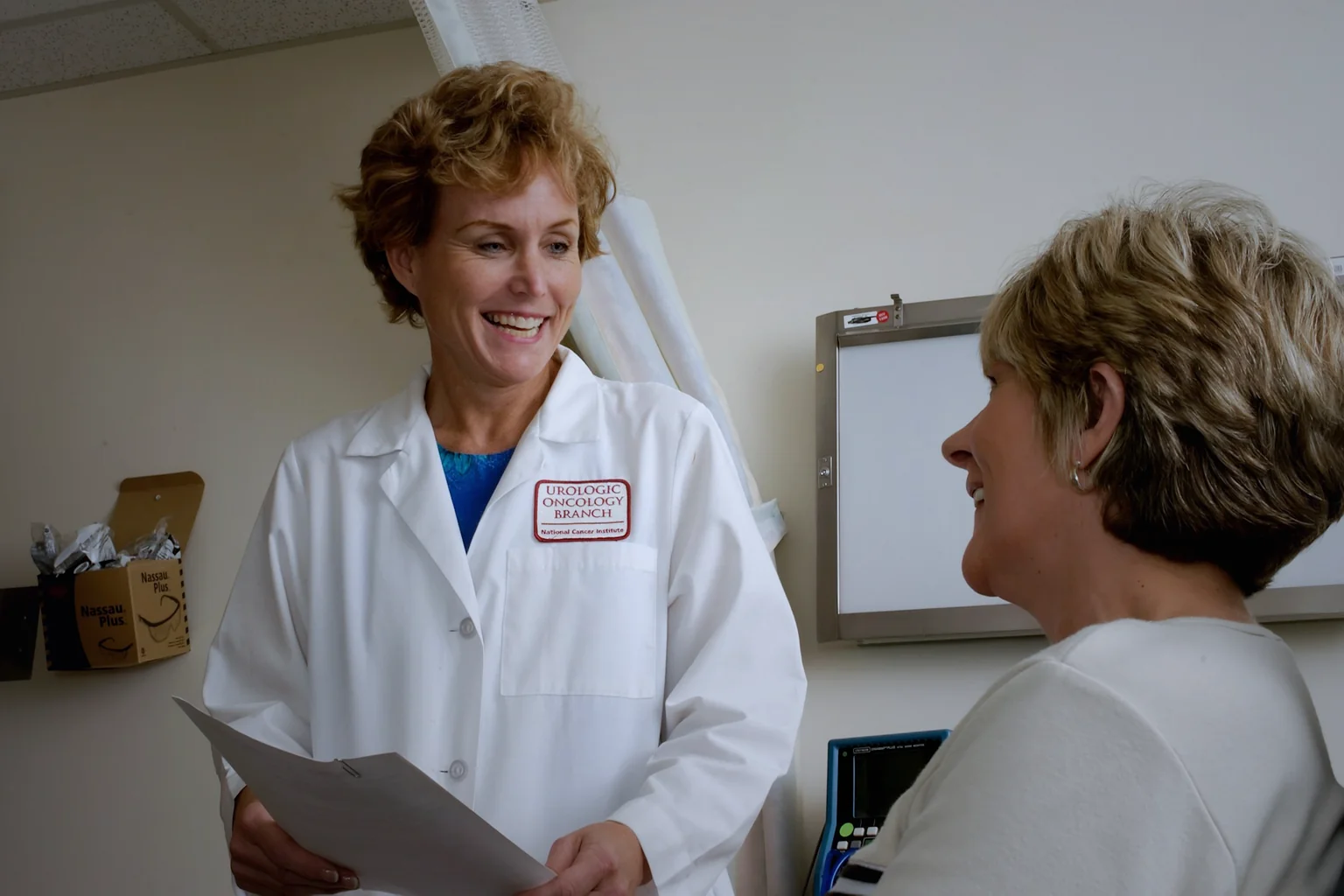
A Plano internal medicine practice referred 340 patients to specialists last year. 140 of them never scheduled the appointment. Another 60 went to the specialist, but the results never made it back to the primary office. The clinic's quality coordinator spent twelve hours a week chasing faxes and leaving voicemails. The referral loop was broken at three separate points, and it was costing the practice $156,000 in downstream care coordination revenue.
Dr. Patel did not notice the leak at first. His front desk handed patients a printed referral slip. They called the specialist's office. They left messages. Sometimes the specialist called back. Sometimes they did not. The patient was supposed to schedule the appointment themselves. Two weeks later, nobody knew if they had gone. Three weeks later, the chart still showed an open referral. Six months later, the patient showed up for a follow-up visit and casually mentioned they never saw the cardiologist.
This is not a compliance issue. It is a system failure that affects patient outcomes, malpractice exposure, and revenue in equal measure.
Why 40% of specialist referrals never close
The gap between a referral order and a completed specialist visit is not laziness. It is a coordination problem with too many human handoffs and no feedback loop.
The patient forgets the slip. A printed referral handed to a patient at checkout goes into a purse or a car console. The patient intends to call. They forget by Thursday. The front desk assumes they handled it. The specialist never receives the request.
The specialist's office does not confirm receipt. A fax sent to a cardiologist's office at 4:00 PM on Friday sits in a pile until Monday. If the cover sheet is missing a diagnosis code, the specialist's staff sets it aside for review. The referring clinic does not know it was never entered.
Results never route back. When the patient finally sees the specialist, the report goes to the wrong fax number or gets mailed to an outdated address. The primary care office waits for a result that will never arrive. The patient's next visit proceeds without critical information.
No one owns the follow-up. The physician assumes the front desk handles it. The front desk assumes the patient will call. The patient assumes the offices talk to each other. In reality, nobody tracks the referral from order to completion. The loop stays open until a patient complains or something goes wrong.
For DFW medical practices in Plano, Frisco, and Dallas, this is solvable with AI automation and CRM follow-up that tracks every referral from initiation to close.
The $400 cost of a broken referral loop
A primary care provider in DFW generates approximately 12 specialist referrals per week. At a 40% leakage rate, that means five referrals per week never result in a completed visit. Each completed referral visit generates $200-$400 in downstream care coordination, follow-up scheduling, and billing activity for the referring practice. The lost specialist visit itself is not the primary revenue hit. The hit is the unmonitored patient who returns with a worsened condition, the missed CPT code for care coordination, and the staff time spent reconstructing what happened.
For a three-provider clinic, the math is stark. Fifteen lost referrals per week. Fifty-two weeks a year. $200 per referral in lost coordination revenue. That is $156,000 annually in leakage that never appears on a financial statement because it is categorized as "scheduling delays" or "patient noncompliance."
The specialist's office loses too. An empty slot that could have been filled by a referred patient sits unused. The specialist's scheduling team is not at fault. They never knew the patient was supposed to book.
How automated referral tracking actually works
The system replaces the paper slip and the phone tag with a closed digital loop that moves faster than any human coordinator.
Step 1: Capture the referral at the point of care
When the physician decides a referral is needed, the order is entered directly into the electronic health record. The automation reads the order, extracts the specialist name, the required urgency level, and the patient's contact information. No printed slip. No handwriting. No separate entry into a tracking spreadsheet.
The system immediately creates a referral record in the CRM follow-up system with a status of "ordered" and a due date based on clinical urgency. Routine referrals get fourteen days. Urgent referrals get forty-eight hours.
Step 2: Send the referral and confirm receipt
Instead of a fax, the system generates a structured digital referral packet and sends it to the specialist's preferred intake channel. This might be a direct API integration with the specialist's practice management system, a secure email with structured data, or an electronic fax with a read receipt.
The system waits for confirmation. If the specialist's office confirms receipt within four hours, the status updates to "received." If no confirmation arrives, the system escalates. It sends a follow-up to the specialist. It alerts the referring clinic's coordinator. It flags the referral for human review if the specialist is nonresponsive after twenty-four hours.
Step 3: Patient outreach and scheduling support
The patient receives an automated text within ten minutes of the referral order: "Dr. Patel has referred you to North Dallas Cardiology for a stress test. We have sent your records. Please call them at (972) 555-0142 to schedule within the next 7 days. Reply HELP if you need assistance."
If the patient does not schedule within five days, the system sends a reminder. At day ten, the system flags the referral for a staff member to call the patient directly. The front desk does not have to remember who was referred and when. The system tells them exactly which patients need a human touch and why.
For patients who need help scheduling, the system can include a direct booking link if the specialist's office supports it. The patient clicks, picks a time, and the appointment writes back to both the specialist's calendar and the referring clinic's tracking record.
Step 4: Close the loop with results delivery
When the specialist completes the visit and generates a report, the automation receives the result through the same integration channel. It updates the referral status to "completed" and attaches the result to the patient's record in the primary care system.
The referring physician receives a notification: "Stress test result for Maria Santos received from North Dallas Cardiology. Review in the EHR." The medical assistant no longer checks a fax machine three times a day. The quality coordinator no longer maintains a spreadsheet of open referrals.
If the result does not arrive within the expected window, the system follows up with the specialist's office automatically. The status remains visible on a dashboard that the clinic manager reviews weekly.
Step 5: Measure and optimize the pipeline
The system tracks every referral by specialty, by physician, by specialist office, and by outcome. The clinic manager sees a real-time pipeline: 142 referrals ordered this month, 118 received by specialists, 104 completed, 18 still open. Drill down into the eighteen open referrals and see which ones are waiting on the patient, which are waiting on the specialist, and which need staff intervention.
This visibility eliminates the guesswork. The clinic knows which specialist offices respond quickly and which ones require escalation. They know which physicians generate the most referrals and which ones have the highest completion rates. They can negotiate preferred referral agreements with data instead of anecdotes.
Why SMS is the right channel for patients
Phone calls feel more personal, but they fail on the metrics that matter for referral compliance. A patient receives a text in under five seconds. They read it within three minutes. They respond to a scheduling link at a 34% conversion rate. A voicemail left by a staff member gets a callback in two hours, if ever. The patient has already moved on with their day.
The only exception is patients over seventy who explicitly prefer voice contact. The system handles this with a single preference tag. Everyone else gets SMS first, with a human call as a fallback if the text does not produce a scheduled appointment within the deadline.
Common pitfalls in referral automation
Three patterns that break the system in practice:
Over-messaging the patient. A patient referred to three specialists at once receives three separate text sequences. Without frequency capping, they get six messages in a week and opt out. The system must track referral volume per patient and enforce a daily maximum.
Failing to handle insurance pre-authorization. Some referrals require prior authorization from the insurance carrier. If the automation sends the patient to schedule before authorization is approved, the appointment may be rejected at the specialist's office. The workflow must check authorization status before sending the patient outreach.
Ignoring the specialist's intake requirements. Some specialists require specific forms, imaging, or lab results before scheduling. The automation must include a rules engine that checks whether the referral packet is complete before sending it. An incomplete referral to a busy specialist's office gets ignored, and the loop breaks at the first step.
What to do Monday morning
Three actions. Takes 45 minutes total.
Audit last quarter's referrals. Pull a report from your EHR showing all referral orders for the last ninety days. Count how many have a documented completion. The gap between ordered and completed is your leakage rate. Multiply that by your average care coordination revenue per referral. Write that number down. That is your annual loss.
Map your current handoff process. Ask your front desk coordinator to walk through exactly what happens when a physician orders a referral. Does the patient get a slip? Does the office call the specialist? Does anybody confirm the appointment was made? Document every step. The number of handoffs is your operational complexity score.
Calculate the ROI of a closed loop. Take your monthly referral volume. Assume a 70% completion rate with automated tracking versus your current rate. Multiply the improvement by your care coordination revenue per referral. Subtract $350 for monthly automation cost. The remainder is your net monthly gain. Most three-provider clinics see $8,000-$14,000 per month.
When to bring in help
If your EHR does not have an open API, or if your specialists use incompatible systems that do not accept structured referrals, the automation requires an integration layer. That is the point where DIY stops being practical and a specialist build makes sense.
The complete AI automation stack for medical practices in DFW includes referral tracking, no-show reduction, cancellation backfill, intake automation, and patient reactivation. Each system feeds the same patient database, so insights compound across the stack.
If you want to know what your specific clinic could recover, take the AI Opportunity Score. The assessment asks for your provider count, monthly referral volume, and current completion rate, then estimates your leakage in dollars. Two minutes. No signup required.
If you are ready to map the build for your practice, book a strategy call. We audit your EHR, identify integration points with your specialist network, and walk through the implementation timeline. Most medical referral tracking systems go live in under four weeks.
Keep reading

Medical Cancellation Backfill: Fill Empty Slots in 3 Minutes
DFW medical clinics lose $400/hour to empty appointment slots. Automated backfill finds patients from waitlists and fills cancellations before staff notices.

HVAC Emergency Dispatch: Automate After-Hours Calls in DFW
DFW HVAC contractors lose 60% of after-hours calls to voicemail. Automated emergency dispatch triages calls and books next-day tune-ups while you sleep.
HVAC Pre-Season Automation: Book 200+ DFW Tune-Ups Fast
DFW HVAC contractors lose $300K in summer revenue to scheduling gaps. Learn how automated SMS and email campaigns book 200+ tune-ups before the heat hits.
Quiet. Useful. Rarely.
Subscribe to the Lab
A short note when the next teardown drops.